Health Management and Social Care
Objectives
- understand, analyse and act upon the physical, psychosocial, ecological and cultural dimensions of health and social care throughout people’s developmental stages, and in the context of their communities;
- understand, analyse and act upon health-related hazards, conditions and situations, at the local, national and global levels, and in the context of the family, the workplace and of personal life;
- develop an understanding of the various approaches to creating and maintaining a healthy community and appreciate the value of sustaining its development;
- develop the basic competencies necessary to research, analyse, evaluate and communicate issues pertaining to health and to social and community care, and participate in related support services provided by institutions and organisations;
- develop an understanding of the issues in health and social care at and across all levels and perspectives, and make proposals for possible solutions to these problems;
- develop an understanding of the roles of a responsible individual as a citizen, worker or professional, and as an empathetic person in the family, the community, the workplace, and society;
- acquire the health knowledge and skills that contribute to community health and are important for economic competitiveness
Field Learning Activities
HMSC field learning transforms theoretical knowledge into meaningful real-world insight and practical experience across the community. By investigating local health and social care needs firsthand, students examine authentic community challenges and explore practical ways to support vulnerable groups—developing sharp analytical skills and a lasting commitment to social care.
Our HMSC students visited the New Life Psychiatric Rehabilitation Association (NLPRA) in Sham Shui Po to explore local mental health support services. The program began with an introductory briefing on NLPRA’s care framework, followed by guided field tours of the Sun Workshop sheltered workshop and The Wellness Centre (ICCMW). Students observed vocational training and community support facilities firsthand before taking part in an insightful “Human Library” session, where they engaged in direct dialogue with a Person in Recovery (P.I.R). The visit concluded with a guided reflection, allowing students to consolidate their observations and connect real-world rehabilitation practices back to key HMSC curriculum concepts.
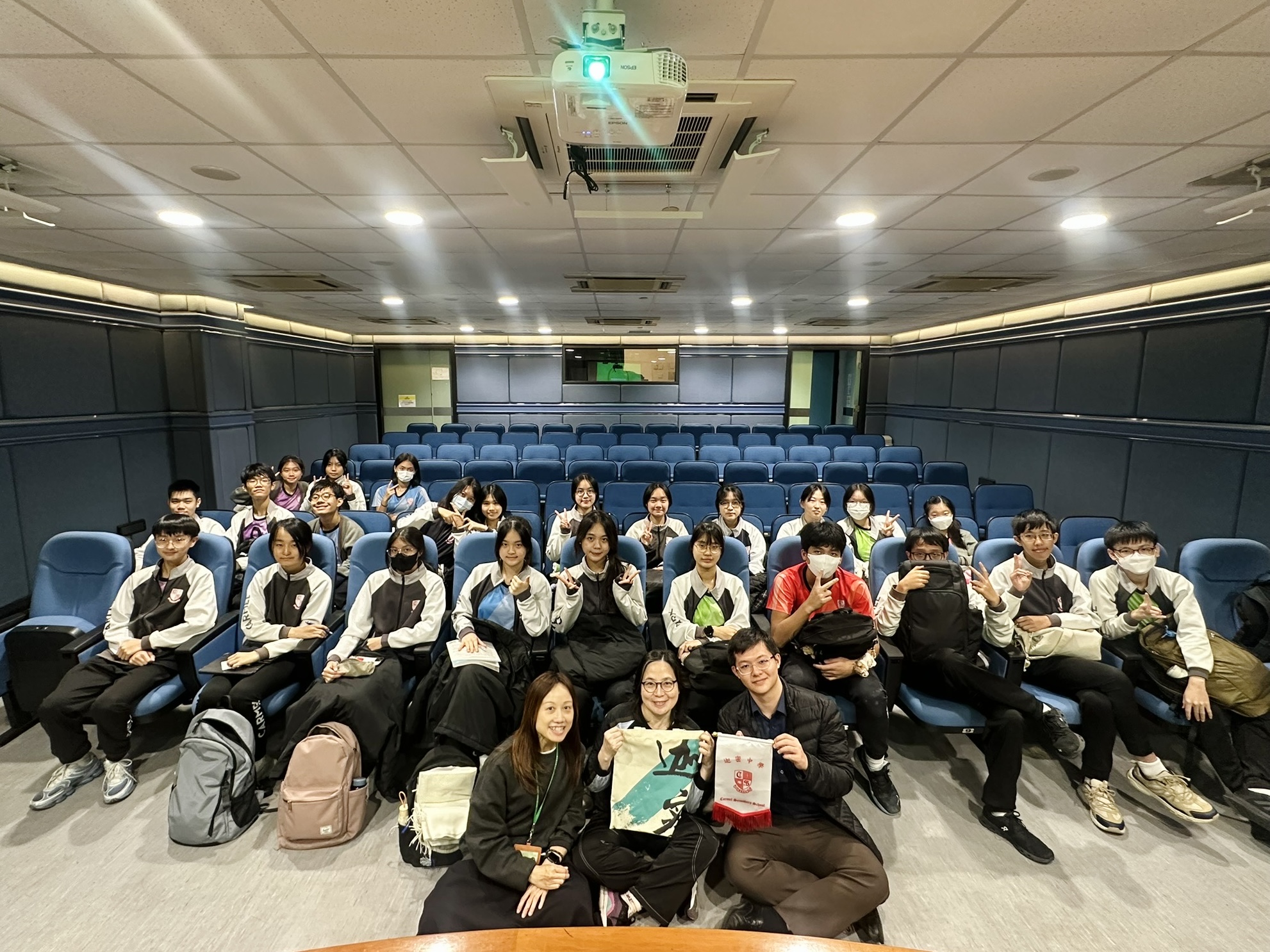
Our HMSC students participated in the ‘Life Stories of the Grassroots Housing’ Exhibition Guided Tour and Human Library activity at the Trapped Experience Centre of the Society for Community Organization in Tai Kok Tsui. Stepping into full-scale replicas of subdivided units, cubicle apartments, and shared amenities, students gained a realistic look into the daily living conditions of low-income families in Hong Kong. During the Human Library session, grassroots residents served as guides and shared their personal stories, helping students understand the physical hardships and emotional strain caused by inadequate housing. Guided by frontline social workers, students then reflected on local housing policies, evaluated community needs, and discussed practical actions to support underprivileged citizens.
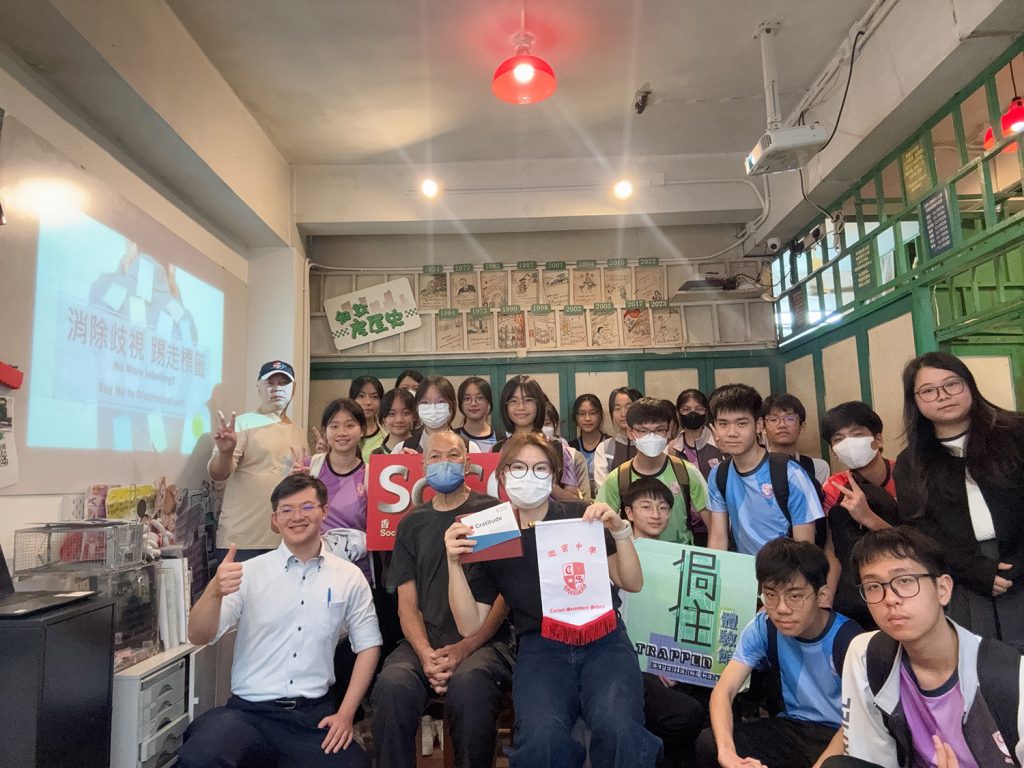
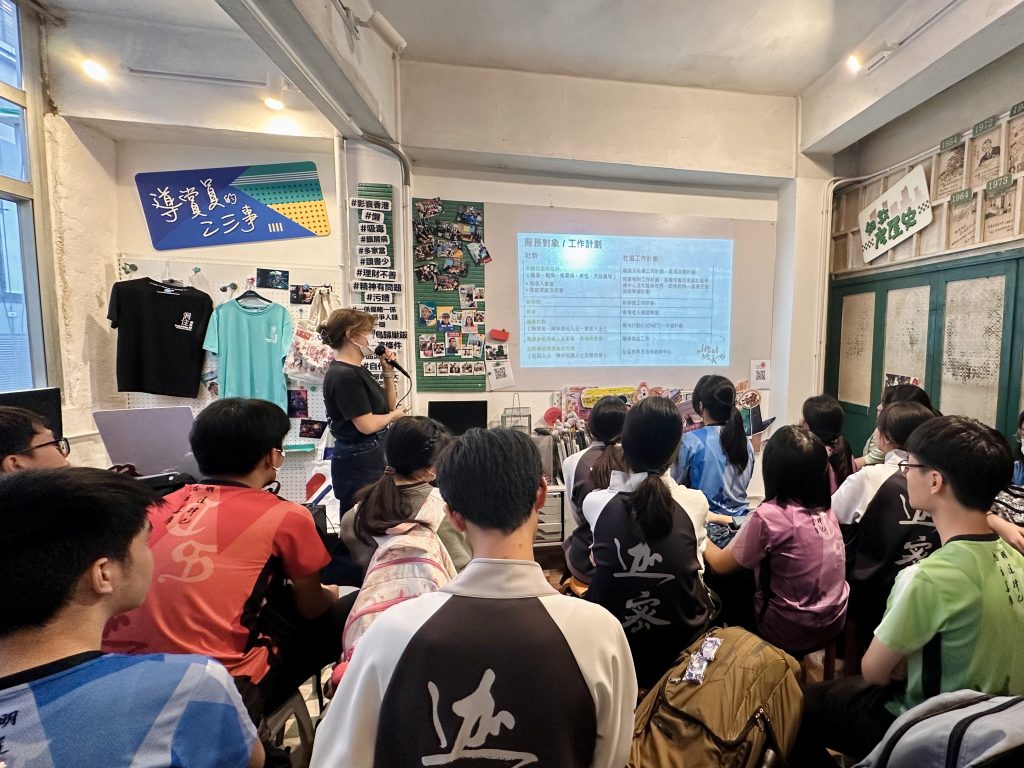
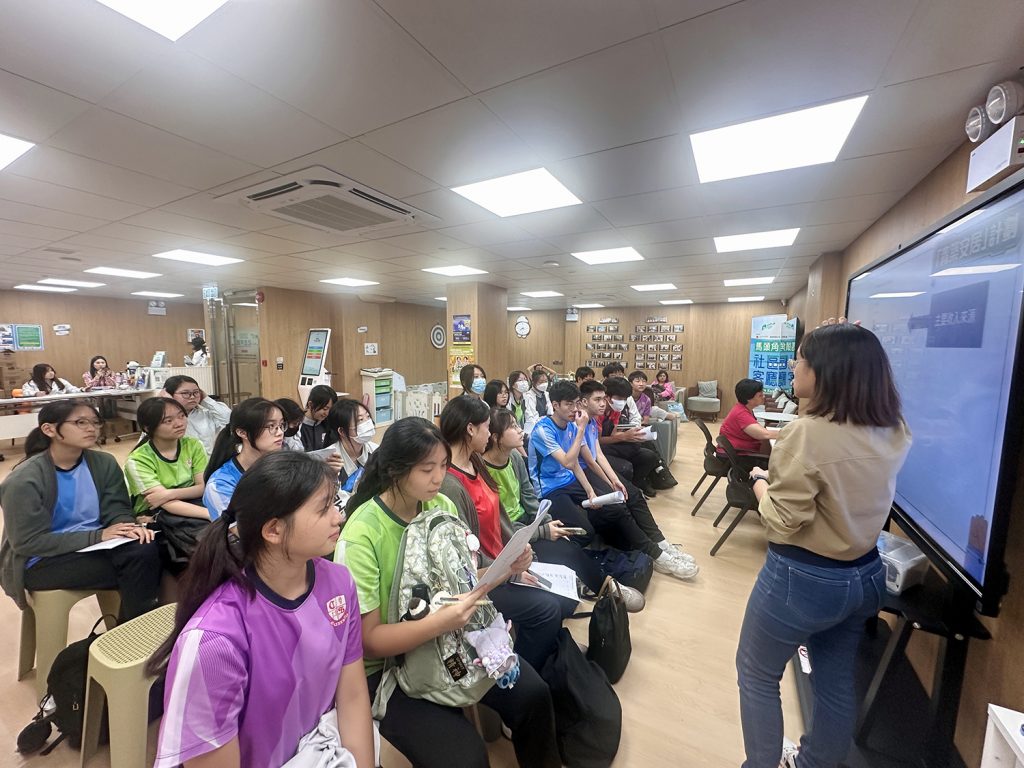
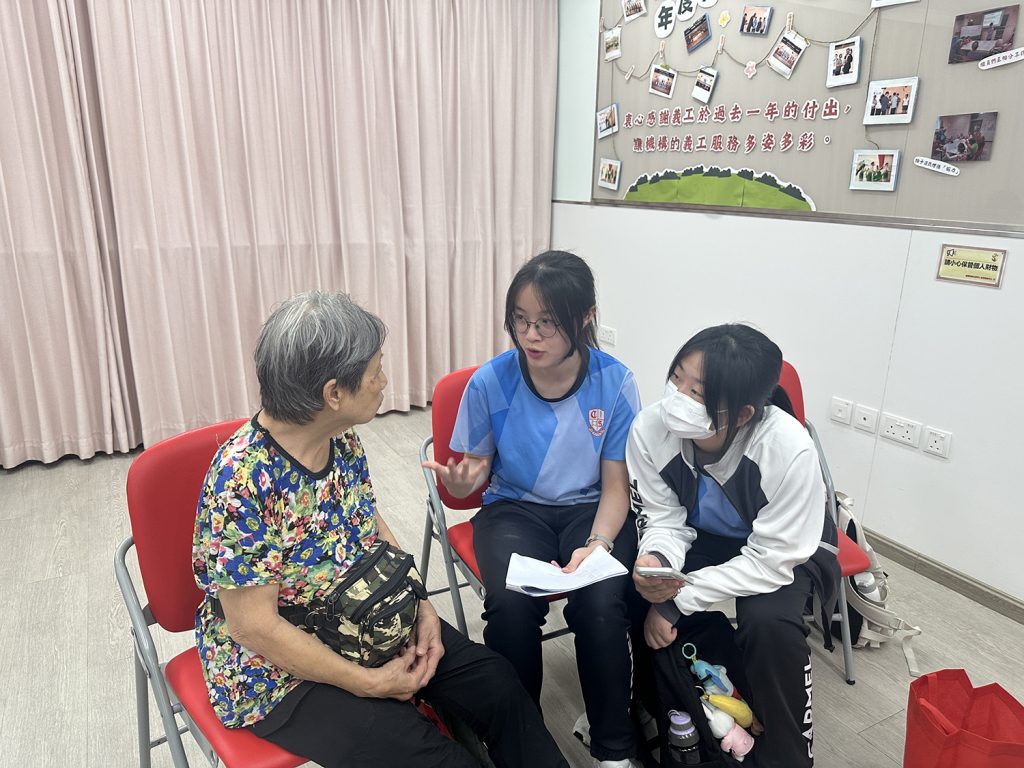
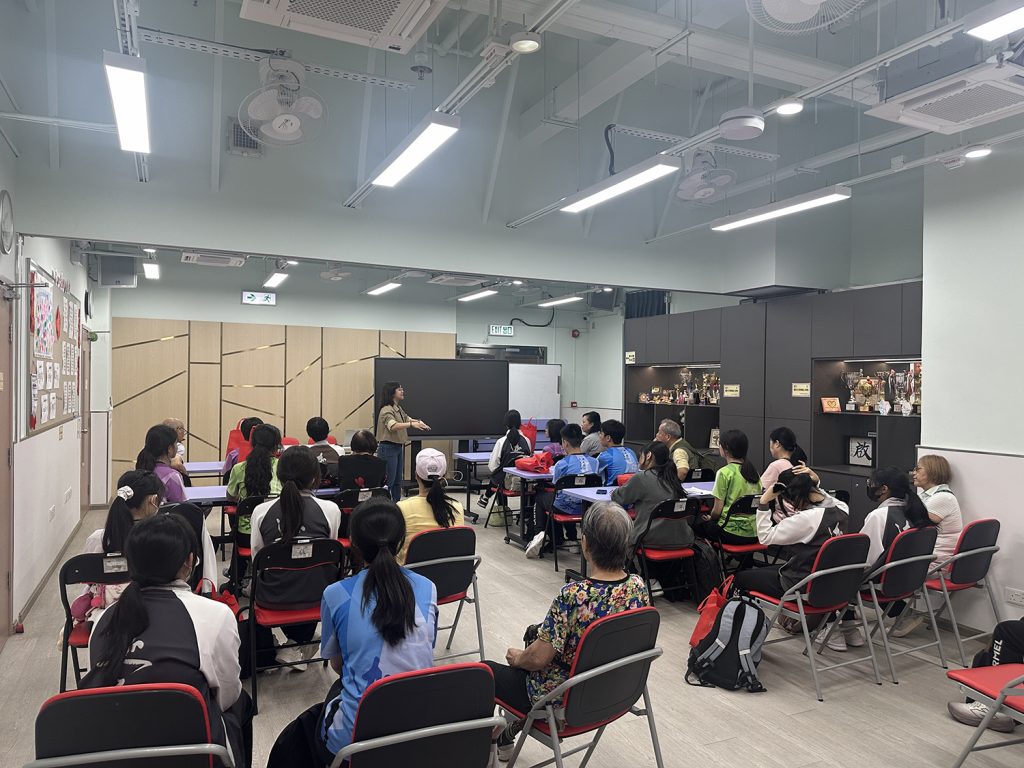
Our HMSC students visited the Ma Tau Kok Community Living Room to explore local community support services for households living in inadequate housing in the Kowloon City District. During the visit, students toured the facility to see how shared spaces help relieve severe living space constraints for low-income families. Students then broke into small groups to conduct more in-depth interviews with residents living in subdivided units across To Kwa Wan to gather data on housing conditions, home safety, health impacts, and immediate support needs. This hands-on survey experience allowed students to apply research and interview skills in an authentic setting while developing a practical understanding of grassroots social welfare needs.